Real Time Networks logo-2
LAW ENFORCEMENT · CANADA

Accountability your officers can prove

Intelligent locker, key control and evidence solutions for Canadian police services.

Gear sits on open shelves. Vehicle keys hang on a pegboard beside a paper sign-out sheet. Property and seized evidence depend on somebody recording the handoff correctly.

That works, right up until somebody asks you to prove who had it, and when.

Read the Waterloo case study →

rtn-homepage-hero-banner-graphic_644x706
THE PROBLEM
  • EVERY SINGLE SHIFT
  • Serial numbers logged by hand at briefing. Minutes gone.
  • Carbines and CEWs behind a padlock — with access controlled by the key rather than the member’s current qualification.
  • Equipment on a desk with no note. Broken? Needs repair? Nobody knows.
  • Property and seized evidence waiting far longer than intended.
  • AND THEN, EVERY SO OFTEN
  • A key or piece of gear ends up in the wrong place. Someone has to go find it.
  • Professional Standards needs to know who had an item and when. Someone is working through paper logs and video.
  • If the sign out process isn’t followed, the record becomes unreliable.
  • A qualification lapses. The physical key still works.
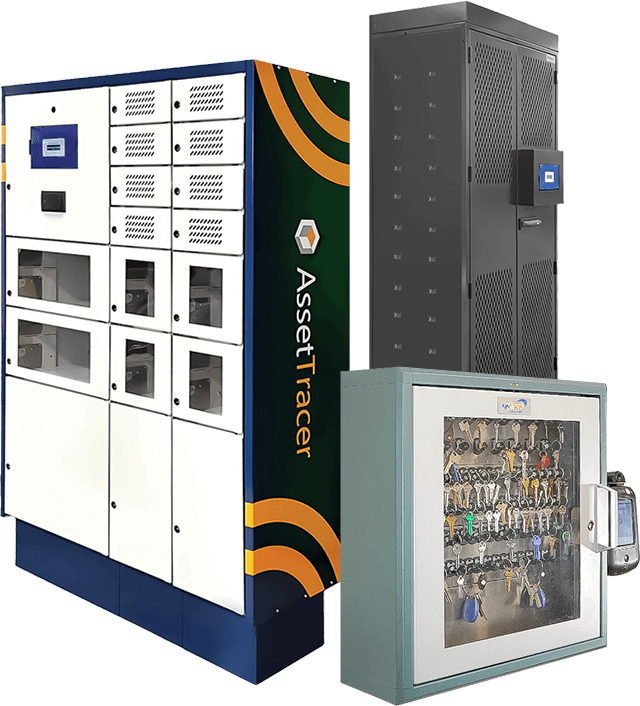
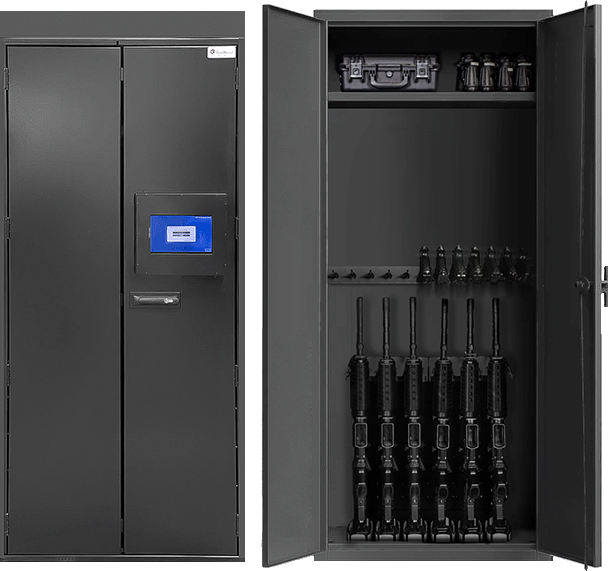
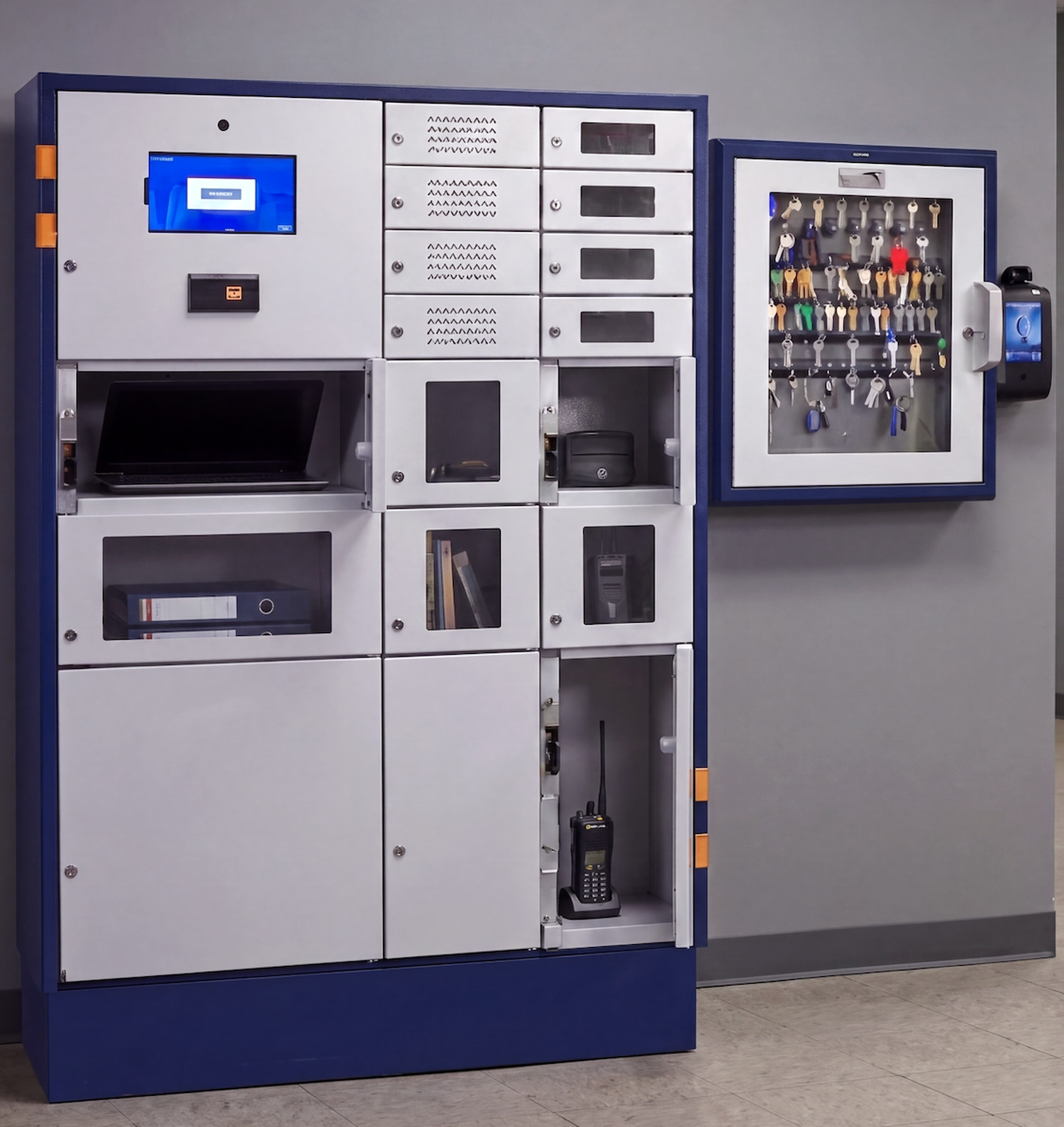
UT Lockers for Law Enforcement

None of this was negligence. It was normal. And normal is fine — right up until somebody asks you to prove it.

Gear

Radios · laptops · radar · LIDAR · ASDs A minute, and out the door. Overdue equipment can trigger the follow-up automatically.

Weapons

Carbines · firearms · CEWs · ammunition Access can be tied to the qualification record. Lapsed, the door stays shut.

Property and seized evidence

Controlled intake and transfer Continuity created by the transfer — not reconstructed afterwards.

Fleet and keys

Vehicle · building · cell keys Keys to a member, not a hook. Every release and return is recorded.

platform-workflow

No controlled item leaves the building without a record tied to a member.

785,000+

keys under management

2,000+

installations

50+

Canadian LE agencies

12

RCMP locations

9

provinces and territories

WRPS-North-Division-Hero-v1

About a minute

Sign out and return, and the member is out the door and available for calls

Qualification-enforced

A lapsed qualification means the locker door does not open

Court-ready

Continuity created by the transfer itself. The audit record prints for trial

LESSONS LEARNED FROM THE FIELD
1

Build the right team from day one

Bring in IT, Facilities and a project manager at the start, not partway through.

2

Plan the foundation early

Power, network, millwork and access-control integration take longer than you expect.

3

Design for the officer

Locker height, door layout and shift-change traffic matter as much as capacity.

4

Train before go-live, not after

Train every user in advance, set up a test environment, and have support on site at rollout.

5

Plan for growth

Take an accurate equipment count up front and leave room for new units, equipment and policy changes.


“We budgeted for the steel. We did not budget for the people.”

tanya-v1

“I learned this the hard way. You don’t have to.”

Tanya Weber retired as a Staff Sergeant after 28 years with Waterloo Regional Police Service. She drafted the RFP for Waterloo’s equipment, evidence and key-control modernization project, helped lead the implementation, and stayed long enough to capture what worked — and what they would do differently next time.

Today she works with police services across Canada on the part that matters after the technology decision: workflow, training, adoption, change management and go-live preparation.

Bring her the problem that keeps coming back to your desk — weapons, evidence, radios, fleet keys or controlled equipment. She has probably seen a version of it before.

Tanya Weber (Murawsky) · Vertical Program Manager, Law Enforcement tanya.weber@realtimenetworks.com · 1.647.223.1878

Waterloo already did the hard part

In 2022, Waterloo Regional Police Service ran a full public competition for secure key management and equipment tracking: a 35-day posting, a two-stage evaluation, reference checks and live demonstrations. Real Time Networks was the successful proponent.

Eligible Ontario police services may be able to acquire through that competitively awarded contract rather than running a new full RFP, subject to their own procurement requirements and eligibility. The co-operative terms extend to Police Co-operative Purchasing Group member services, with Real Time Networks’ consent. There are 57 member services in Ontario.

  NEW COMPETITIVE RFP CO-OPERATIVE PURCHASE
Typical timeline

16 to 21 weeks

About 2 weeks

Typical procurement cost

Approximately $56,500

Approximately $2,000

Vendor performance

Not yet established

Demonstrated with an Ontario peer

Talk to the Canadian team

Tell us what you need to account for

Weapons, evidence, radios, fleet keys or controlled equipment. Share a few details about your service and our Canadian team will follow up to talk through what fits.

Canadian company. AssetTracer built in Canada.
Canadian engineering and support.
ISO/IEC 27001 certified · Lifetime warranty on RFID key fobs
Real Time Networks logo-2

In-house Canadian engineering and 24-hour Canadian support, with teams in British Columbia and Ontario and an office in Milton, Ontario. Over 20 years serving public safety.